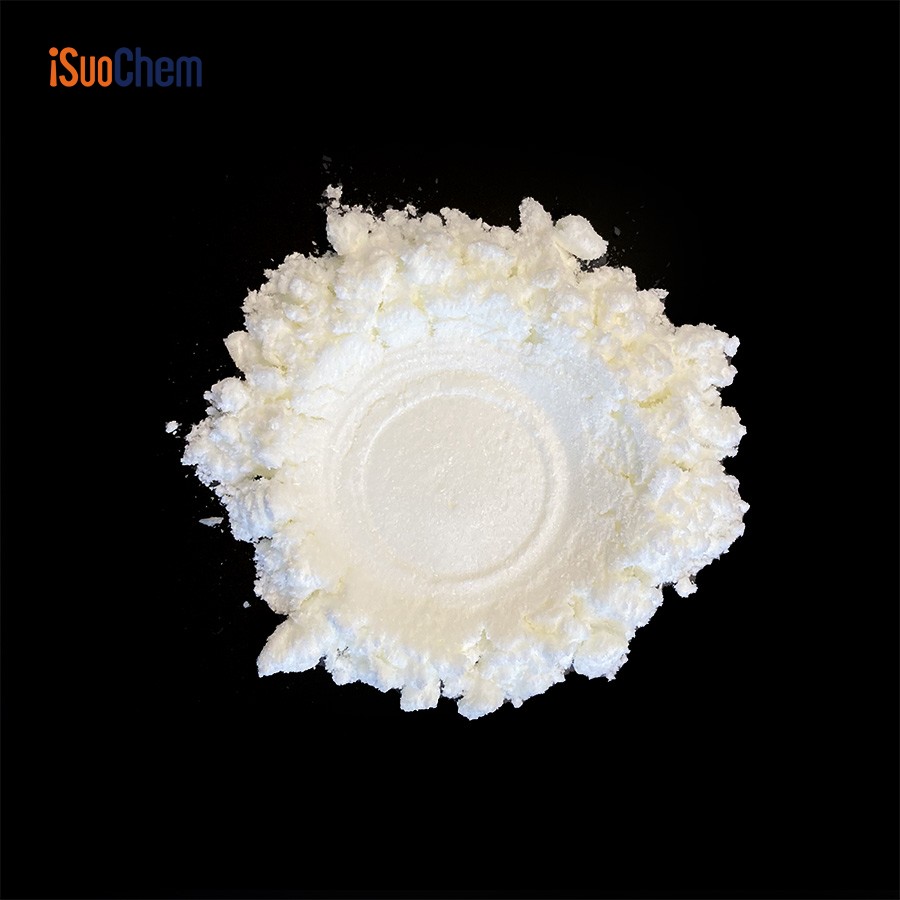
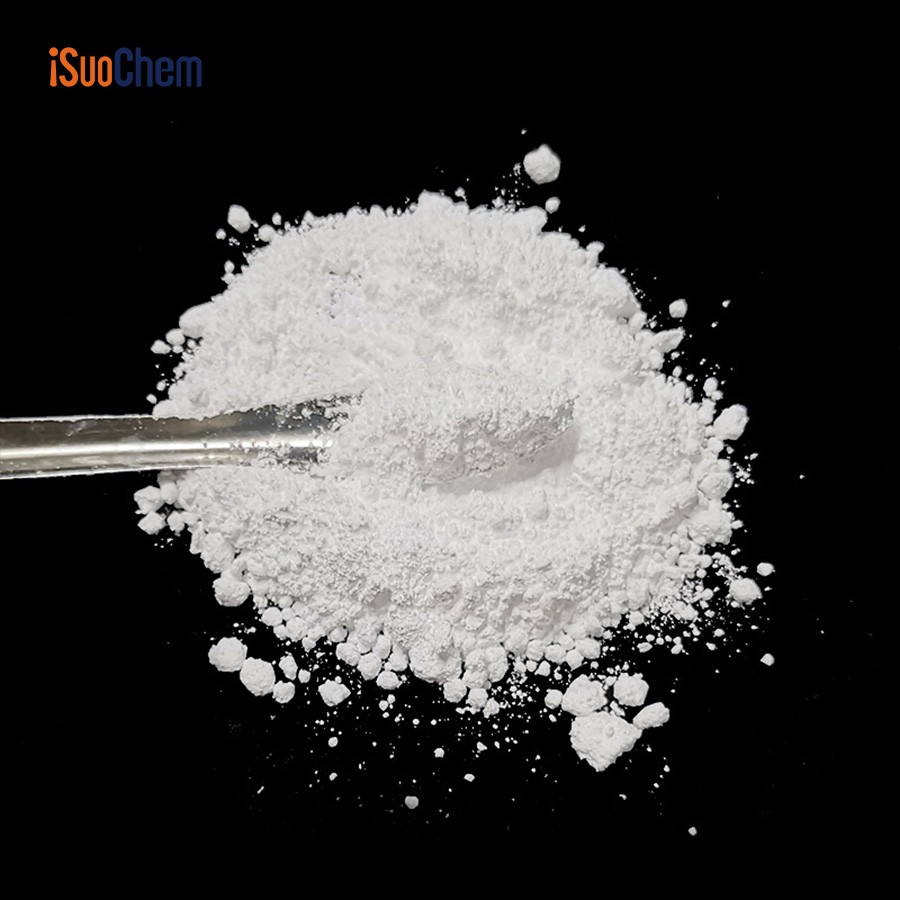
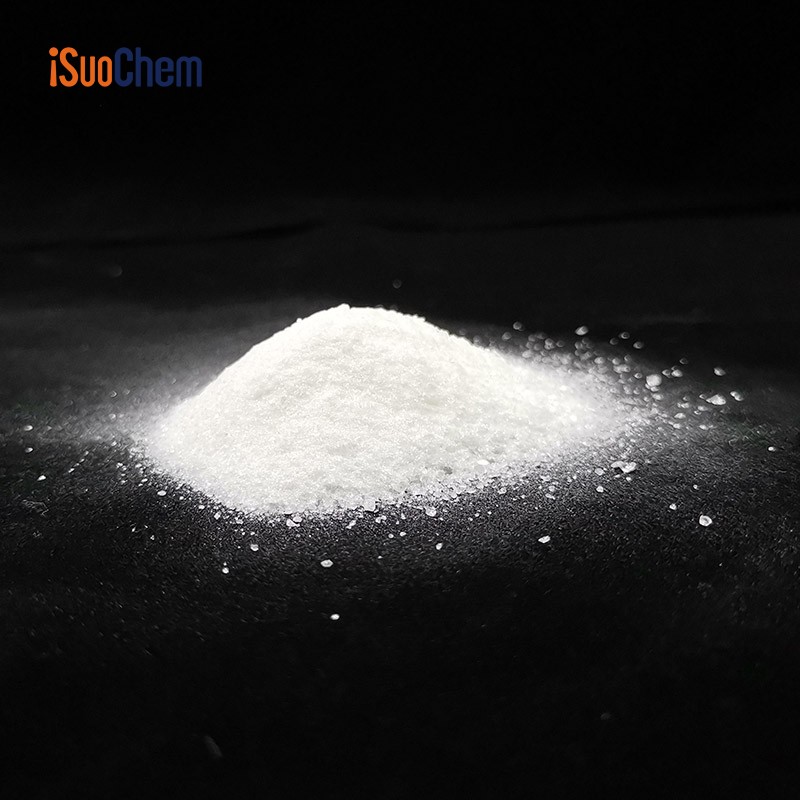
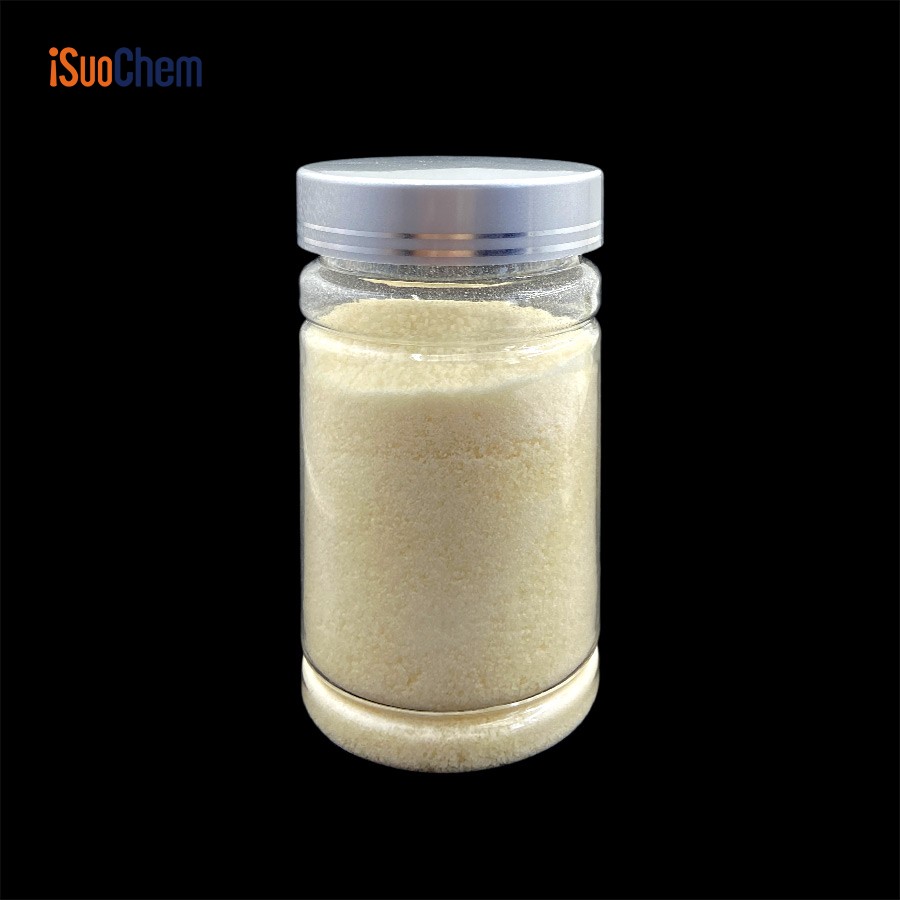
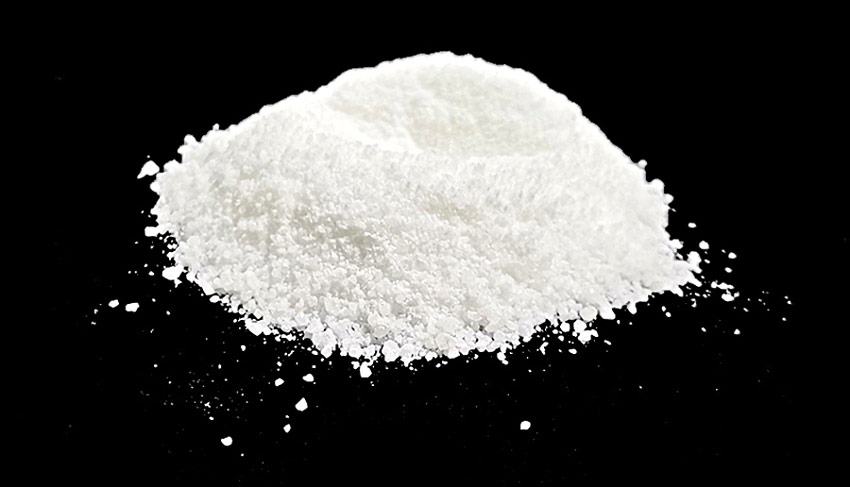
Sáp vi hạt Bao gồm nhiều loại: Sáp Carnauba trong suốt, bóng cao, độ cứng cao; Sáp Fischer-Tropsch mịn màng và tiết kiệm chi phí. Các loại sáp; sáp PE — không chỉ mang lại độ mịn và tiết kiệm mà còn có kết cấu mềm mại và cảm giác dễ chịu khi chạm vào; sáp PP — mờ, cứng, chống mài mòn; sáp Polyamide chống trầy xước và mài mòn; sáp PTFE — đặc trưng bởi độ mịn, khả năng chống trầy xước, chống mài mòn và ổn định ở nhiệt độ cao; và sáp PE/PTFE, kết hợp độ mịn với khả năng chống trầy xước và mài mòn.
Kích thước hạt mịn, khả năng phân tán dễ dàng và tính tương thích với hệ dung môi/nước đã khiến chúng trở thành lựa chọn ưa thích lâu năm của các nhà sản xuất sơn. (Ghi chú: Mặc dù phương pháp ứng dụng nhìn chung tương tự nhau, nhưng một số loại cần có các biện pháp phòng ngừa cụ thể — vui lòng liên hệ với chúng tôi để được hướng dẫn chi tiết.)
Các phương pháp ứng dụng chung của sáp vi hạt
Các hướng dẫn sau đây áp dụng cho hầu hết các loại sáp siêu mịn. Luôn luôn kiểm tra các khuyến nghị cụ thể cho từng loại (ví dụ: Sáp PTFE siêu mịn, Sáp PE siêu mịn(Sáp polyamide dạng vi hạt) trước khi sử dụng trên quy mô lớn.
1. Cấp độ cộng
0,3% – 2% (dựa trên hàm lượng nhựa).
2. Phương pháp cộng
Bột sáp siêu mịn có thể được phân tán trực tiếp hoặc được chuẩn bị dưới dạng hỗn hợp sáp siêu mịn. Để tạo hỗn hợp dạng sệt, trước tiên trộn 20–30% bột sáp với 70–80% nhựa; sau đó có thể thêm hỗn hợp này vào hỗn hợp sơn phủ theo tỷ lệ yêu cầu. Ngoài ra, bột sáp có thể được thêm trực tiếp trong giai đoạn cuối cùng của quá trình pha chế sơn phủ, hoặc có thể được trộn vào trong quá trình nghiền cuối cùng khi nghiền bột màu.
3. Phương pháp phân tán
Bắt đầu bằng cách khuấy ở tốc độ thấp cho đến khi tạo thành xoáy. Sau đó, thêm bột sáp siêu mịn (ví dụ: bột sáp PE) từng chút một trực tiếp vào xoáy. Khi đã thêm hết bột sáp, tăng tốc độ khuấy lên 1200 vòng/phút và tiếp tục trộn cho đến khi sáp được phân tán hoàn toàn và trộn đều.
4. Điều khiển nhiệt độ
Trong quá trình khuấy, điều quan trọng là phải duy trì nhiệt độ dưới 45°C. Cần đặc biệt cẩn thận trong những tháng hè — nhất là khi sử dụng sáp polyetylen PE có trọng lượng phân tử thấp — vì các phần có trọng lượng phân tử thấp hơn trong sáp có thể bị hòa tan một phần ở nhiệt độ cao. Điều này có thể dẫn đến sự kết tụ lại (làm thô) các hạt sáp, khiến chúng không thể phân tán lại được.
5. Các biện pháp phòng ngừa
Nhìn chung, dung môi gốc este hoặc gốc cồn là lựa chọn lý tưởng cho môi trường phân tán. Tránh trộn trực tiếp sáp với các dung môi như toluen hoặc xylen bất cứ khi nào có thể; khả năng thẩm thấu mạnh của các dung môi này có thể khiến bột sáp siêu mịn bị hòa tan một phần ở nhiệt độ cao, dẫn đến kết tinh và làm thô các hạt. Biện pháp phòng ngừa này đặc biệt quan trọng khi làm việc với sáp polyetylen có trọng lượng phân tử thấp. Hơn nữa, Sáp polytetrafluoroethylene (PTFE) *không* được nghiền chung với chất tạo màu.Thay vào đó, chúng nên được chuẩn bị dưới dạng hỗn hợp sáp trước khi thêm vào.
Các loại sáp vi hạt và đặc điểm điển hình
| Loại sáp | Đặc điểm chính | Phạm vi nóng chảy | Ghi chú sử dụng điển hình |
|---|
| Sáp Carnauba | Trong suốt, độ bóng cao, độ cứng cao | 82℃ | Khả năng đánh bóng tuyệt vời |
| Sáp Fischer-Tropsch | Cảm giác mượt mà, tiết kiệm chi phí | 104–110℃ | Nền kinh tế tốt cho các ngành công nghiệp |
| Sáp PE | Mịn màng, tiết kiệm, chất liệu mềm mại, cảm giác dễ chịu | 102–130℃ | Các phân đoạn có khối lượng phân tử thấp: giữ nhiệt độ <45°C |
| Sáp PP | Bề mặt nhám, cứng, chống mài mòn | 140–160℃ | Tăng độ bền và hiệu ứng mờ |
| Sáp polyamide (PA) | Chống trầy xước, chống mài mòn | 145℃ | Thường được sử dụng trong các lớp phủ ngoài cứng cáp. |
| Sáp PTFE | Bề mặt nhẵn mịn, chống trầy xước/mài mòn, ổn định ở nhiệt độ cao. | 330℃ | Không bao giờ nghiền chung với bột màu; hãy sử dụng dạng bột nhão. |
| Sáp PE/PTFE | Kết hợp độ mịn, khả năng chống trầy xước và mài mòn. | trộn | Lai đa năng |
✦ Dòng sản phẩm sáp vi hạt iSuoChem – tương đương với các thương hiệu toàn cầu ✦Hiện tại, iSuoChem cung cấp các loại sáp vi hạt cụ thể trong từng danh mục này, tương đương trực tiếp với các sản phẩm từ các thương hiệu quốc tế hàng đầu như Lubrizo, MÜNZING, Clariant Licowax&Ceridust, BASF Joncryl, dòng sản phẩm Luwax, Honeywell ACumist, Shamrock. Vui lòng liên hệ với chúng tôi để yêu cầu mẫu thử nghiệm.
Microwax-PE
Sáp Polyethylene PE
Kết cấu mềm mại, tiết kiệm, cảm giác mịn màng. Tuyệt vời cho sơn phủ gỗ và công nghiệp.
Microwax-PP
Sáp Polypropylene PP
Bề mặt mờ, cứng, chống mài mòn. Khoảng nhiệt độ nóng chảy 140-160°C.
Microwax-PTFE
Sáp PTFE
Độ ổn định nhiệt cao (330°C), chống trầy xước và mài mòn. Không được nghiền chung.
⚙️Ghi chú kỹ thuật: Luôn kiểm tra tính tương thích với hệ thống nhựa của bạn. Nên sử dụng dung môi este/rượu; tránh dùng toluen/xylen với sáp PE có khối lượng phân tử thấp. Đối với các loại PTFE, hãy phân tán trước dưới dạng bột nhão — tuyệt đối không được nghiền cùng với chất tạo màu. Sáp PP mang lại vẻ ngoài mờ và độ cứng (điểm nóng chảy 140-160°C). Mức thêm vào được khuyến nghị là 0,3-2% so với nhựa.
Nhà sản xuất sáp PE hàng đầu Trung Quốc --- iSuoChem, chuyên gia về sáp siêu mịn dùng cho các lớp phủ công nghiệp.






 DANH MỤC SẢN PHẨM