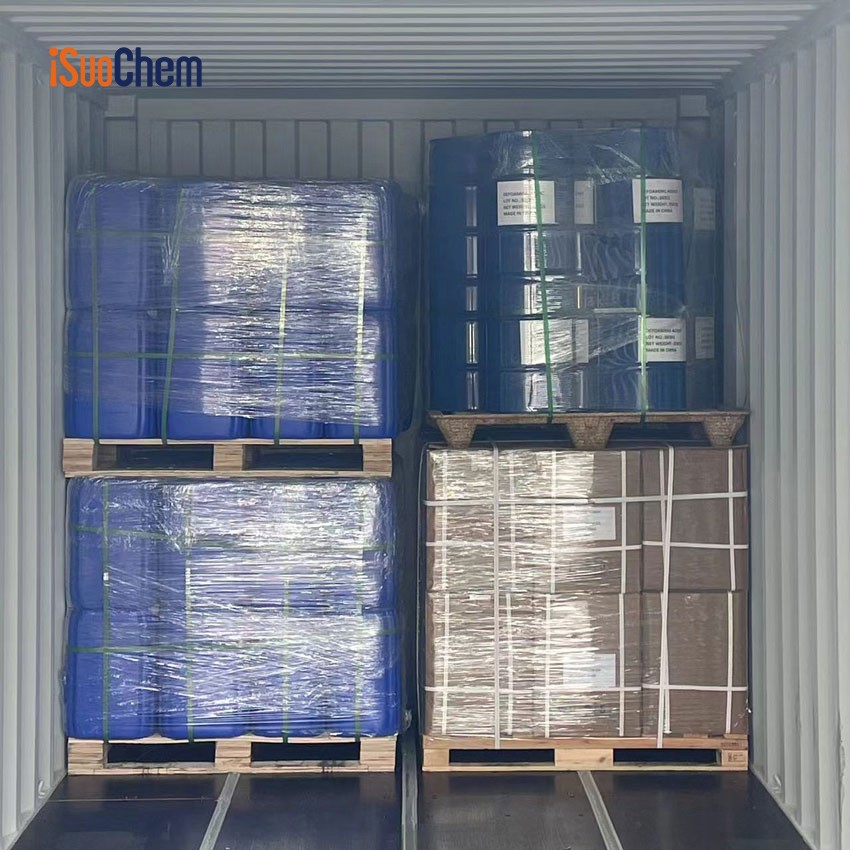
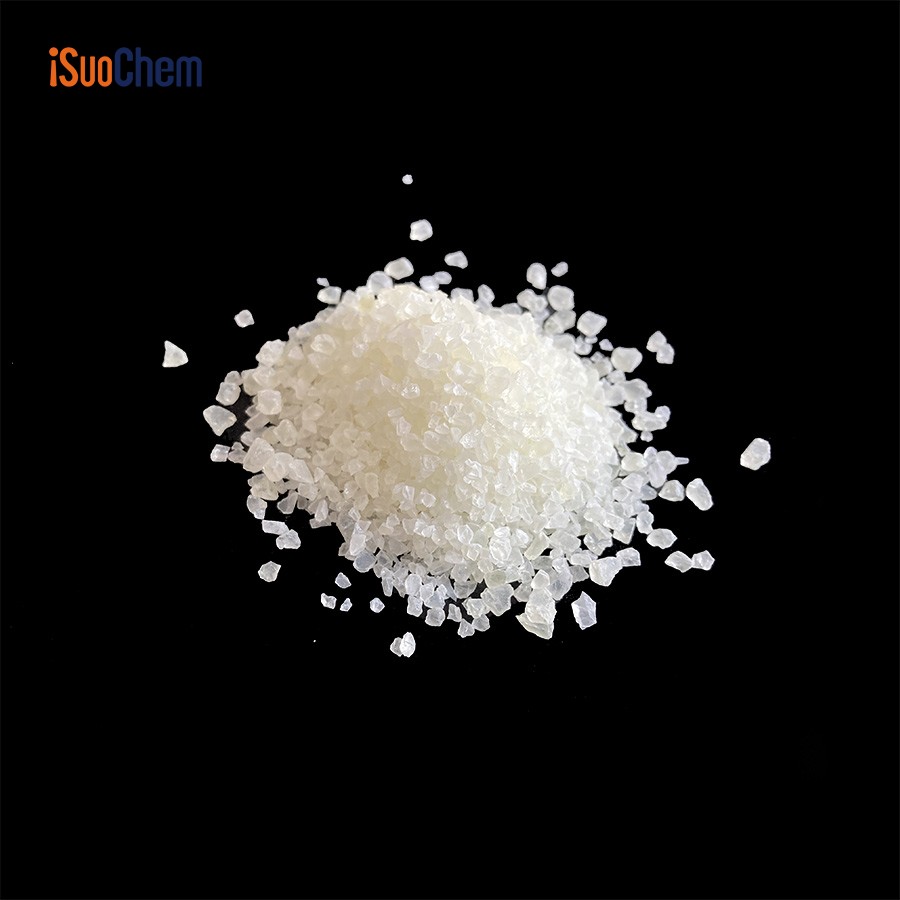
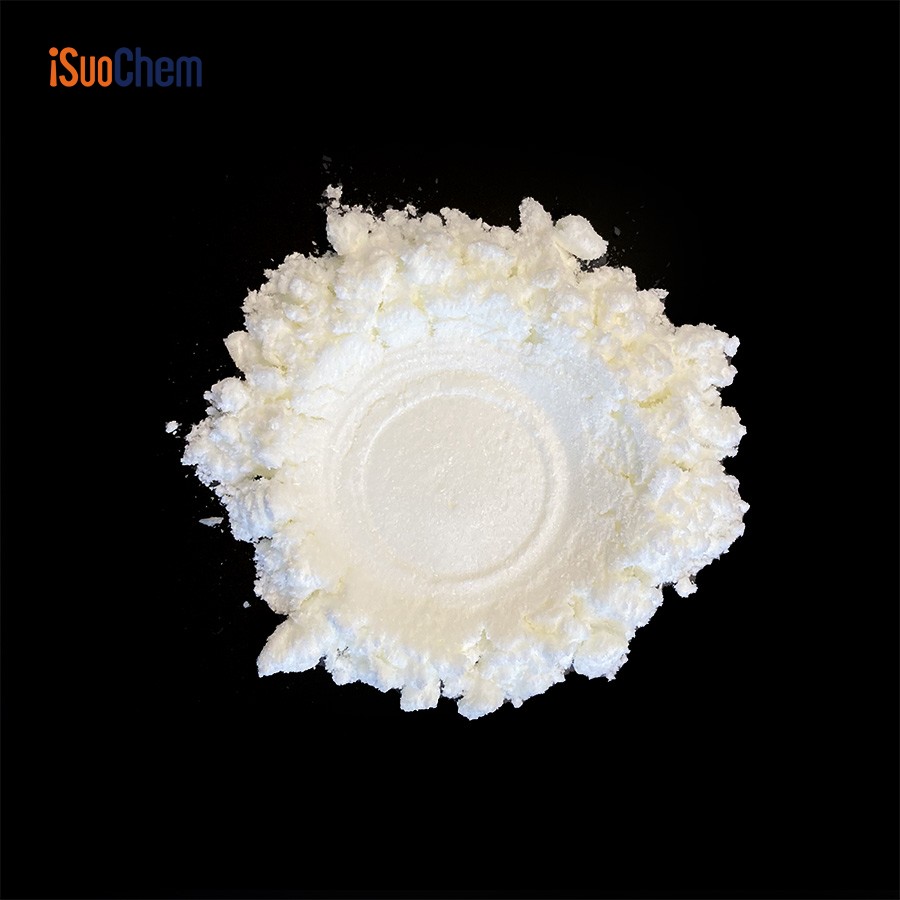
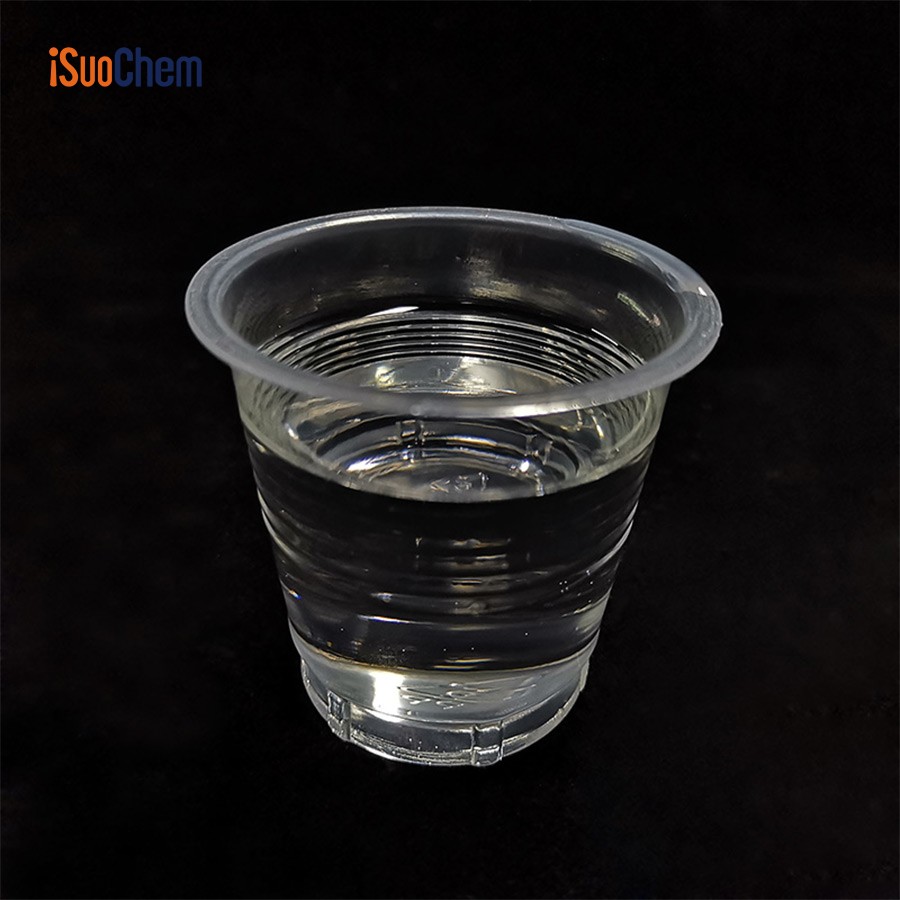
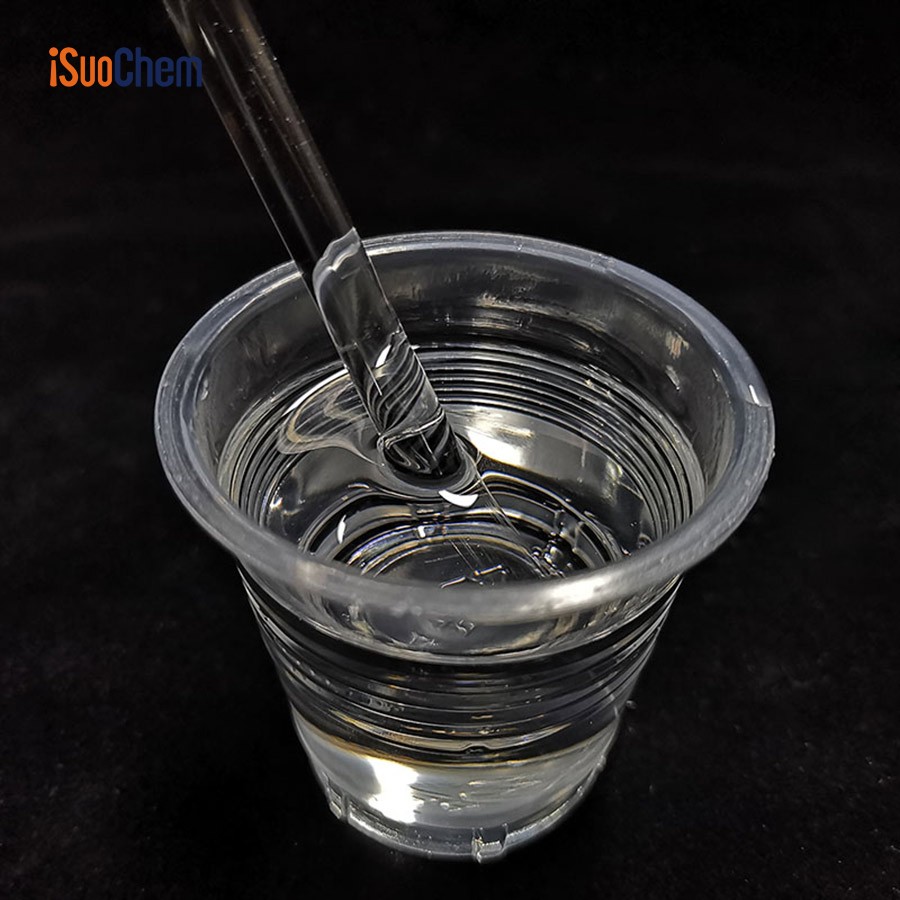
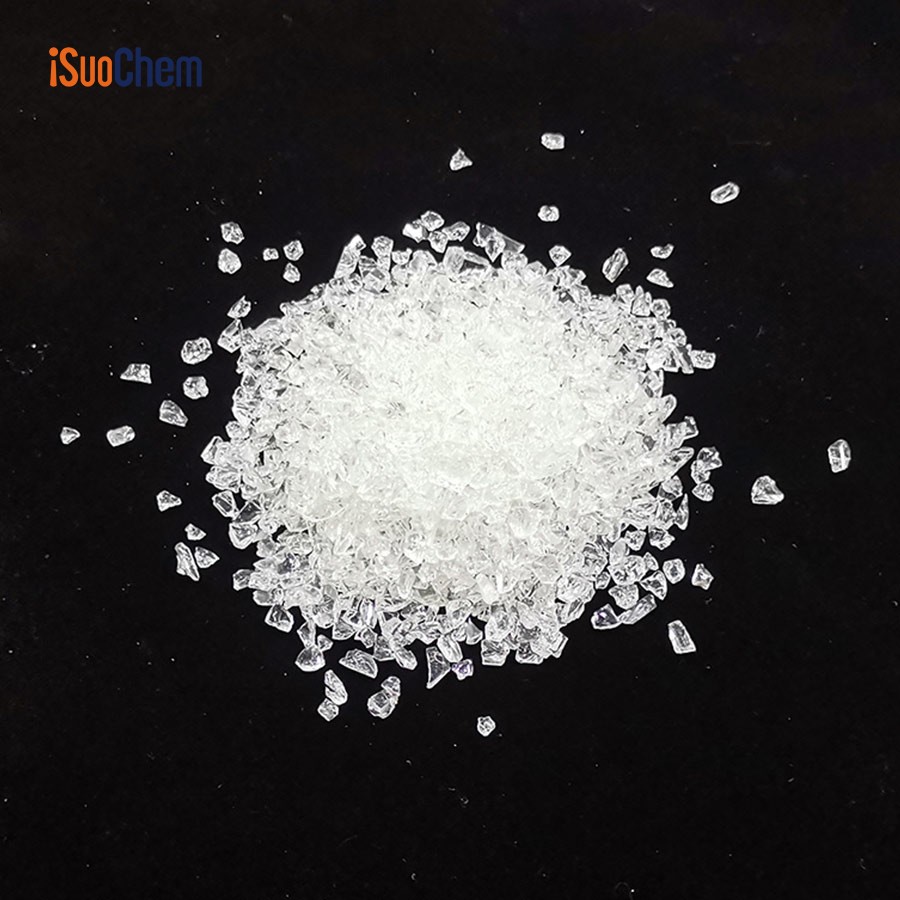
Danh sách sản phẩm đầy đủ: Phụ gia ổn định ánh sáng iSuoChem UV 292, 770, 622, 328, 944 dành cho nhựa polymer. Chúng là các chất phụ gia có khả năng ức chế hoặc làm chậm quá trình phân hủy vật liệu do bức xạ tia cực tím gây ra. iSuoChem® cam kết cung cấp các chất ổn định tia cực tím hiệu suất cao cho các ngành công nghiệp polymer, nhựa, sơn phủ, mực in và cao su.
Tên sản phẩm :
Light UV Stabilizer Additive, UV stabilisation, Ultraviolet stabilizer, Ultraviolet Stabilizing AgentThương hiệu :
iSuoChemCác thương hiệu thay thế :
Tinuvin 292/770/622/944, Chisorb 292/328, Clariant UV stabilizersChính sách mẫu :
Free SamplesCác chất ổn định tia UV của iSuoChem: Các chất ổn định tia UV amin cản trở (HALS) và hệ thống hỗn hợp.
Chất ổn định tia UV cho nhựa Có thể sử dụng cho nhiều loại polymer khác nhau: PP, ABS, PE, TPE, PA, EVA, PC, TPU, PU, PVC và các loại nhựa kỹ thuật.
Nó có thể cung cấp độ ổn định nhiệt tuyệt vời, khả năng tương thích và khả năng chịu đựng thời tiết lâu dài. Chúng có thể kéo dài tuổi thọ sử dụng một cách hoàn hảo trong khi vẫn duy trì các đặc tính cơ học, màu sắc và vẻ ngoài bề mặt.
Đối với các ứng dụng phủ và in ấn, chúng tôi cung cấp các loại chuyên dụng như UV-292 và UV-123, tương thích với các hệ thống PU, AR, ER, PET và PAA.



để lại lời nhắn
Quét mã để gửi đến WeChat/WhatsApp :


Hi! Click one of our members below to chat on

 DANH MỤC SẢN PHẨM